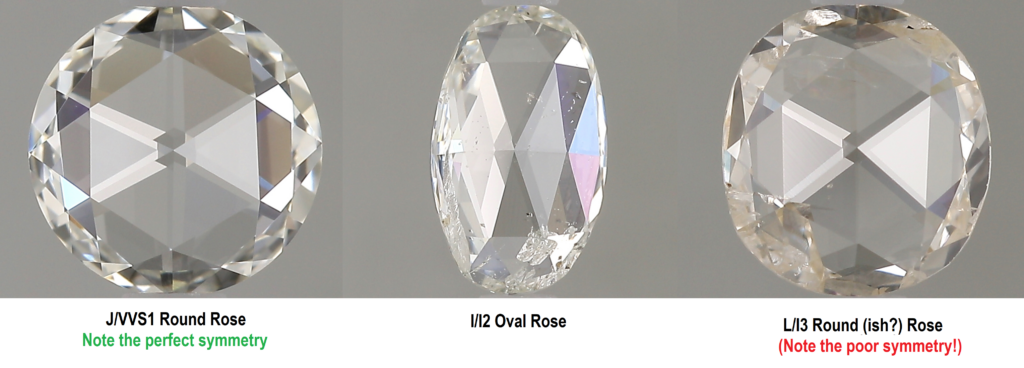
A historic diamond style defined by its flat base and domed crown with triangular facets, producing a soft, romantic glow rather than intense sparkle.
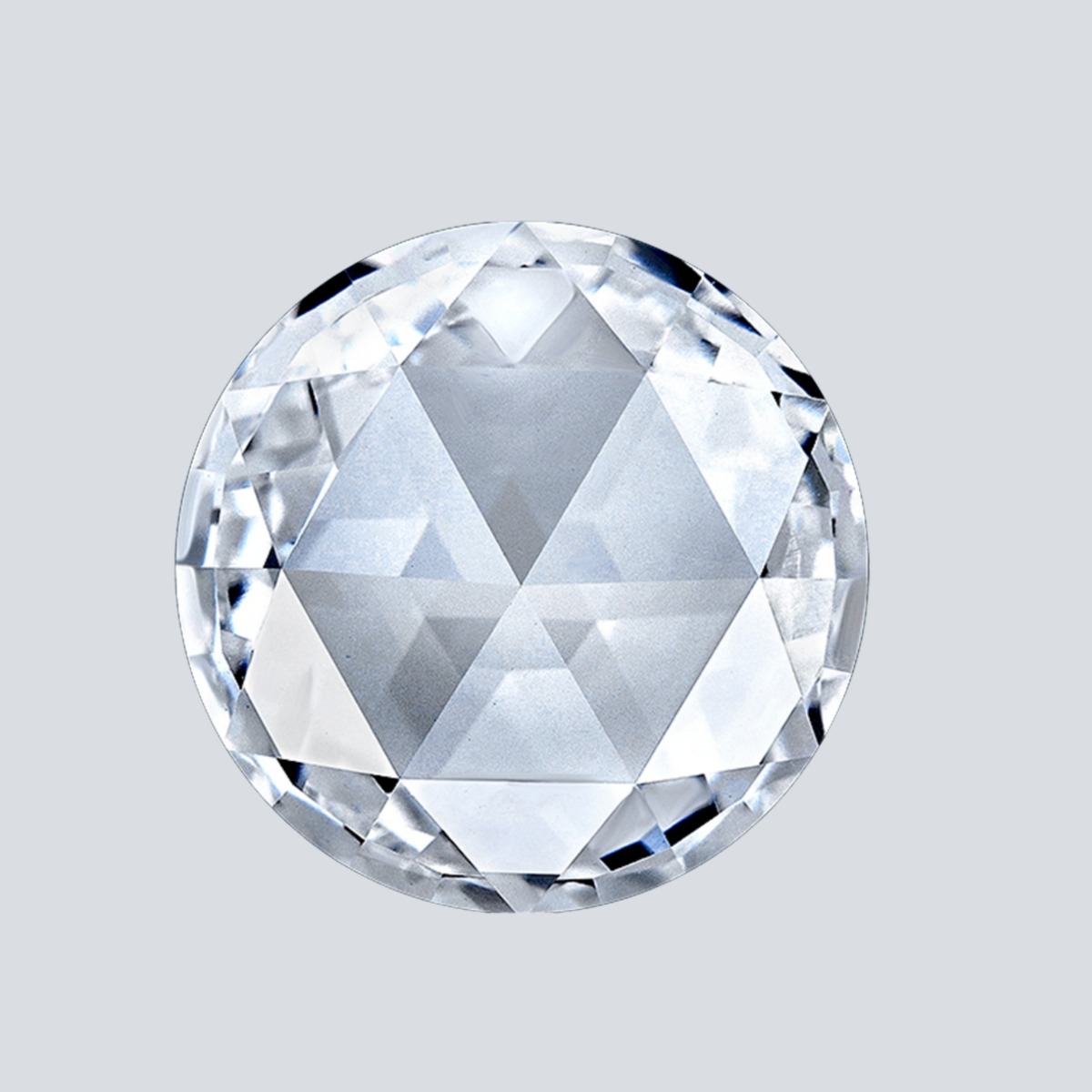
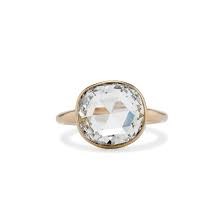
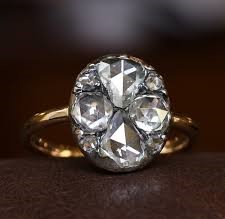
Rose cut diamonds are a unique and historic diamond style distinguished by their flat base and domed crown, which is covered with triangular facets forming a rose-like appearance. This cut dates back to the 16th century and is widely admired for its vintage elegance and timeless charm.
Unlike modern brilliant cuts designed for maximum sparkle, rose cut diamonds produce a soft, subtle glow that gently reflects light across their surface. This creates a warm and romantic appearance, making them highly desirable for antique-inspired and bespoke jewelry designs.
Their broad surface and minimal depth allow them to appear larger face-up compared to other cuts of similar carat weight. This makes them an attractive choice for engagement rings, earrings, pendants, and collector pieces that emphasize uniqueness over intense brilliance.
At John Ann Foley Diamond Institute, we study rose cut diamonds for their historical significance, optical behavior, and structural design. Our research highlights their role in the evolution of diamond cutting techniques and their continued relevance in modern jewelry craftsmanship.
Scientific properties of rose cut diamond specimens
Natural uncut crystal structure
Rough geological texture
Deep mantle formation
Research & diamond cutting
Microscopic and structural views of rose cut diamond formation